How We Treat
The right tool. For the right reason.
No single treatment works for everyone. Two people with the same back pain may need very different care, because what drives the pain is different in each person.
That is why we don’t start by choosing a technique. We start by listening and assessing, to understand what may be creating or maintaining your pain. Medication, interventional procedures, surgery and rehabilitation all have a role. What matters is that each one is used at the right time, based on what needs to be addressed first, where you are in your recovery, and how your body responds.
Beyond the painful area. Treat the systems creating and maintaining pain.
You don’t need to choose
You don’t need to know which treatment you need before you come in. That’s our job.
Each patient needs only some of the tools below, and each tool has a specific purpose in recovery. Your treatment plan is always explained clearly before we begin, and adjusted as your body changes.
You bring your story. Together, we find the way forward.
01 — Modern Medicine
Managing symptoms, intervening when indicated, and making sure nothing important is missed.
Pain Medicine
Medication is used with a clear purpose: to control symptoms so you can function and move, creating the conditions for recovery. Medication opens the door to recovery; it does not replace it.
Interventional Pain Procedures
Minimally invasive procedures are considered when there is a clear indication and when they benefit your overall recovery plan.
Medical & Specialist Coordination
When needed, we coordinate imaging, laboratory tests and other specialists, including surgical consultation where indicated, so that your assessment is complete and safe.
Technology-Assisted Rehabilitation
INDIBA, Winback, therapeutic ultrasound, shockwave, high-power laser and electrotherapy are selected when appropriate to support pain relief, tissue healing and functional recovery. Technology supports assessment and movement; it never replaces them.
02 — Functional Rehabilitation
Helping your body move again, control movement better and meet the demands of real life.
Manual Therapy
Hands-on techniques for joints, soft tissue and fascia to reduce pain, improve range of motion and prepare the body for exercise.
Motor Control & Movement Retraining
After pain or injury, the body often changes the way it moves to protect itself. We help it relearn how to control and coordinate movement more efficiently.
Strength · Balance · Graded Loading
Step by step, we rebuild strength, balance and endurance, and help you regain confidence in movements you have learned to fear, so you can return to work, sport and everyday life.
The Chain
Regional interdependence and the movement chain
Pain in one area can originate in the way other parts of the body work together. We assess and correct the whole movement chain, not just the place that hurts.
Breathing · Diaphragm · Deep Core
The diaphragm does more than help you breathe. Together with the deep core and pelvic floor, it regulates abdominal pressure, stabilises the spine and connects with the autonomic nervous system. Restoring this coordination is the foundation of stability and of every movement.
03 — Advanced Supportive Therapies
These therapies address systems that are often overlooked: the nervous system, fascia and interstitial fluid, metabolism, biological memory, emotions and the capacity to recover. For many people with persistent pain, this is where the missing link lies.
Pain Neuroscience Education
Understanding your pain reduces fear and avoidance of movement, and helps you take an active role in your recovery. We explain what is happening in your body in plain language.
Nervous System & Autonomic Regulation
When the nervous system stays on alert for too long, through stress, long-standing pain or poor recovery, the body can become more sensitive to pain. Regulating the nervous system is often one of the first steps, allowing other treatments to work.
Fascia · Interstitial Fluid · Lymphatics
Supports fascial glide, the movement of interstitial fluid and lymphatic function, helping tissues become less stiff, less congested and better able to recover.
Scar Therapy
Scars from surgery or injury can disrupt the continuity of connective tissue and become a factor that maintains pain, even long after they have healed. We assess and treat scars as part of your recovery plan.
Dry Needling & Acupuncture
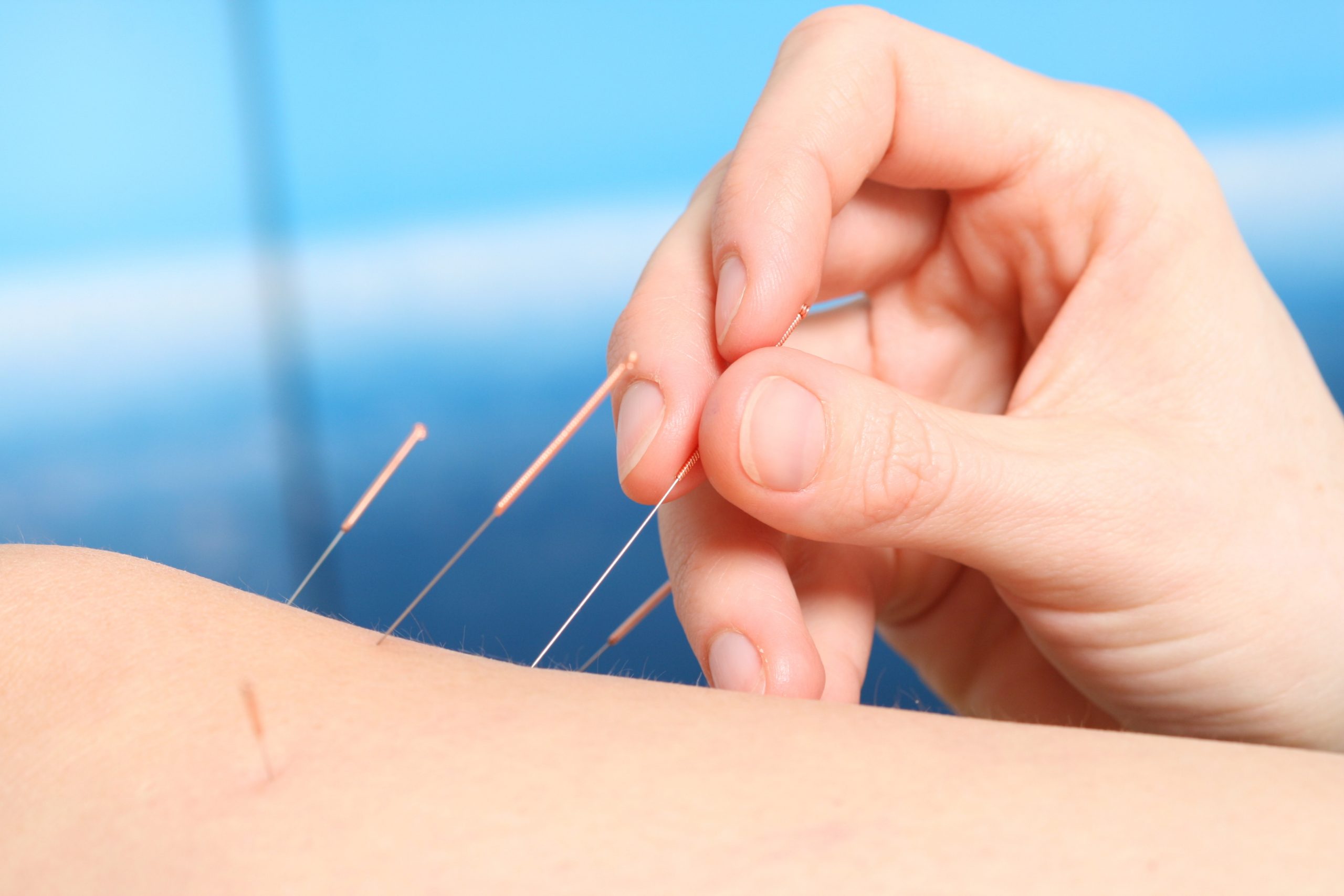
Needle-based techniques are chosen for each person’s specific clinical goals, bringing together traditional medicine and modern neuroscience, never applied as a fixed formula.

Psychological Counselling
Your pain is real. But stress, emotions, thoughts and habits can make pain worse or make it last longer. Psychological counselling helps you recognise and address these factors, alongside physical treatment.
EMDR
Eye Movement Desensitization and Reprocessing
A structured psychological therapy, considered when traumatic experiences such as accidents, injuries or multiple surgeries may be helping to maintain protective responses and pain.
AK-Guided Functional Interventions
Applied Kinesiology
AK principles are used as a supportive tool in functional assessment, helping to guide the choice of intervention and to check your response during the session.
Nutrition & Metabolic Support
We look at nutritional, metabolic and digestive factors that may affect energy, inflammation, tissue healing and overall health.
Sleep · Circadian Rhythm · Recovery
Your body recovers best when you sleep well and live in step with your natural rhythms. We help you rebuild sleep, daily rhythm and long-term self-management, to reduce the risk of pain returning.
More treatment is not always better.
What matters is knowing what to address first, and which approach fits at that moment.
After each intervention, we re-test pain, range of motion or function within the same session, so we know what is truly working for you rather than guessing.
LISTEN → ASSESS → PRIORITISE → INTERVENE → RE-TEST → ADAPT
The right treatment. The right patient. The right time. The right goal.